Understanding the psychology behind gambling What drives the thrill
The Allure of Risk and Reward
Gambling inherently appeals to the thrill-seeker in many individuals. The combination of risk and reward creates a potent psychological mix that can lead to excitement and adrenaline rushes. The potential for winning can overshadow the risks involved, drawing people into the world of betting, where fortunes can change in an instant. While exploring these options, many may find value in the resources of neosurf casino australia, which enhance their understanding of safe gambling practices. This tantalizing prospect of winning big generates a sense of hope and possibility that many find irresistible.
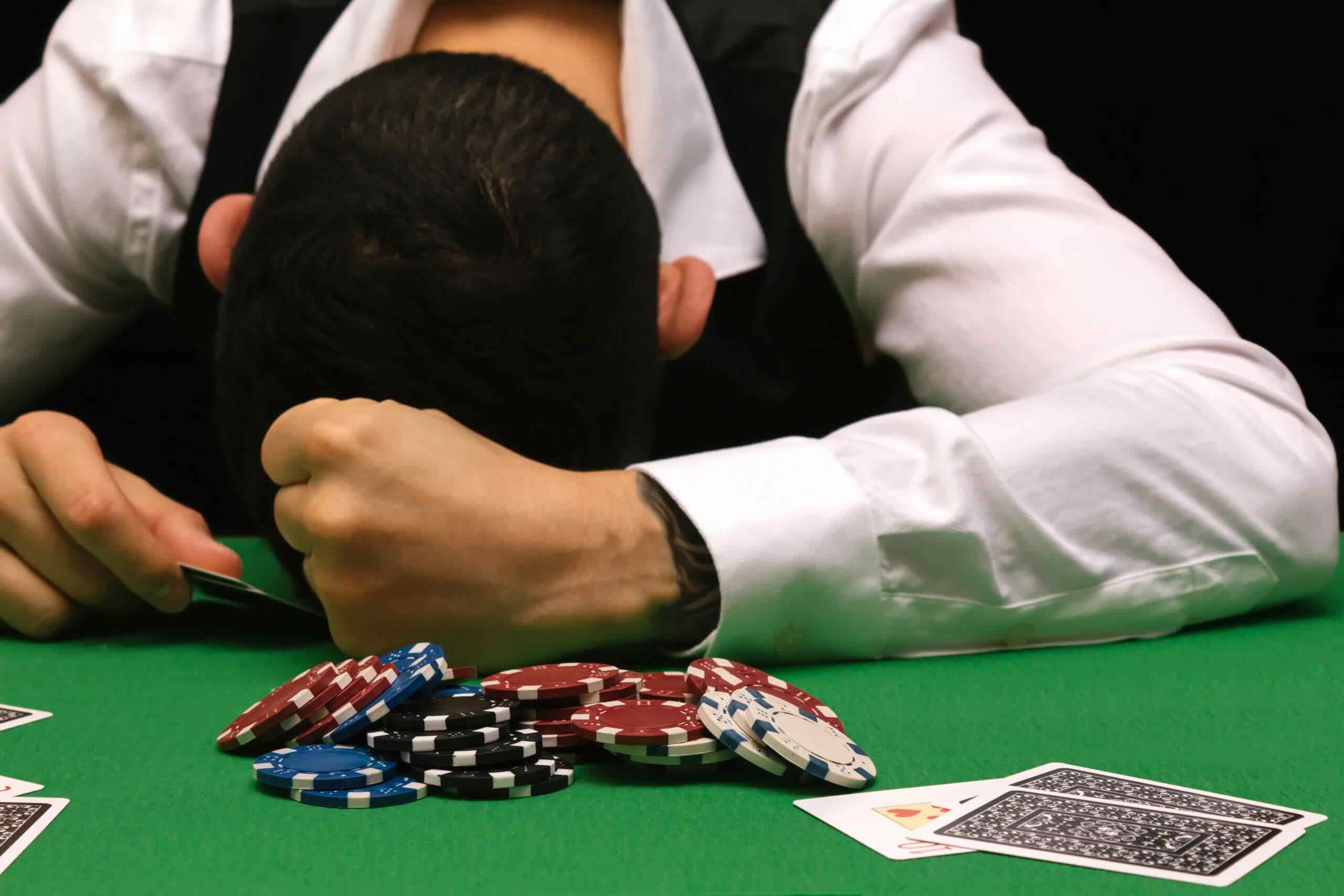
This pursuit of potential gains is often linked to the brain’s reward system. When individuals experience wins, their brains release dopamine, the neurotransmitter responsible for pleasure and satisfaction. This chemical reaction can create a cycle of behavior, where players chase further wins, often overlooking the reality of losses. As players engage more, the thrill associated with both the risk and the reward becomes increasingly powerful, making gambling a captivating endeavor.
The Role of Cognitive Biases
Cognitive biases play a significant role in gambling behavior. Many players overestimate their chances of winning due to biases like the illusion of control or the gambler’s fallacy. The illusion of control leads individuals to believe they can influence the outcome of random events, such as dice rolls or card draws. This false sense of mastery contributes to the thrill of the game, as players feel more invested in their actions.
The gambler’s fallacy, on the other hand, involves the belief that past events influence future outcomes. For instance, if a player observes a series of losses, they might irrationally conclude that a win is “due” to occur. This thinking enhances the excitement of the game, as players become more engaged in their betting decisions, despite the inherent randomness of gambling.
The Social Dynamics of Gambling
Gambling is often a social activity, whether it’s in a casino, at a poker table, or online. The communal atmosphere heightens the thrill, as players share in each other’s victories and defeats. This social interaction can amplify emotions, creating an environment where the excitement of the game is contagious. Players often cheer each other on, which can enhance their own experience and lead to increased betting.
The Psychological Impact of Losses
The thrill of gambling is often intertwined with the psychological toll of losses. While wins can elicit joy and euphoria, losses can lead to feelings of despair and frustration. Yet, many gamblers are undeterred by losses and instead view them as just a part of the game. This coping mechanism can be attributed to a phenomenon known as “loss chasing,” where players continue to bet in hopes of recouping their losses.

Exploring Responsible Gambling Resources
For those intrigued by the world of online gambling, it is essential to engage with the process responsibly. Many resources are available to guide players towards a safe and enjoyable gambling experience. Understanding the psychology behind gambling can empower individuals to make informed decisions and recognize when their excitement may be turning into a problem.